Niger’s military regime under General Abdourahamane Tiani faces mounting scrutiny over its expanding reliance on foreign security partners, after Algeria’s parliament approved the deployment of troops to Niamey. The move, hailed as a strategic pivot, now prompts urgent questions about the hidden costs, undisclosed terms, and long-term implications for a nation already stretched thin by economic hardship and persistent violence.
From Russian mercenaries to Algerian boots on the ground: a strategy under pressure
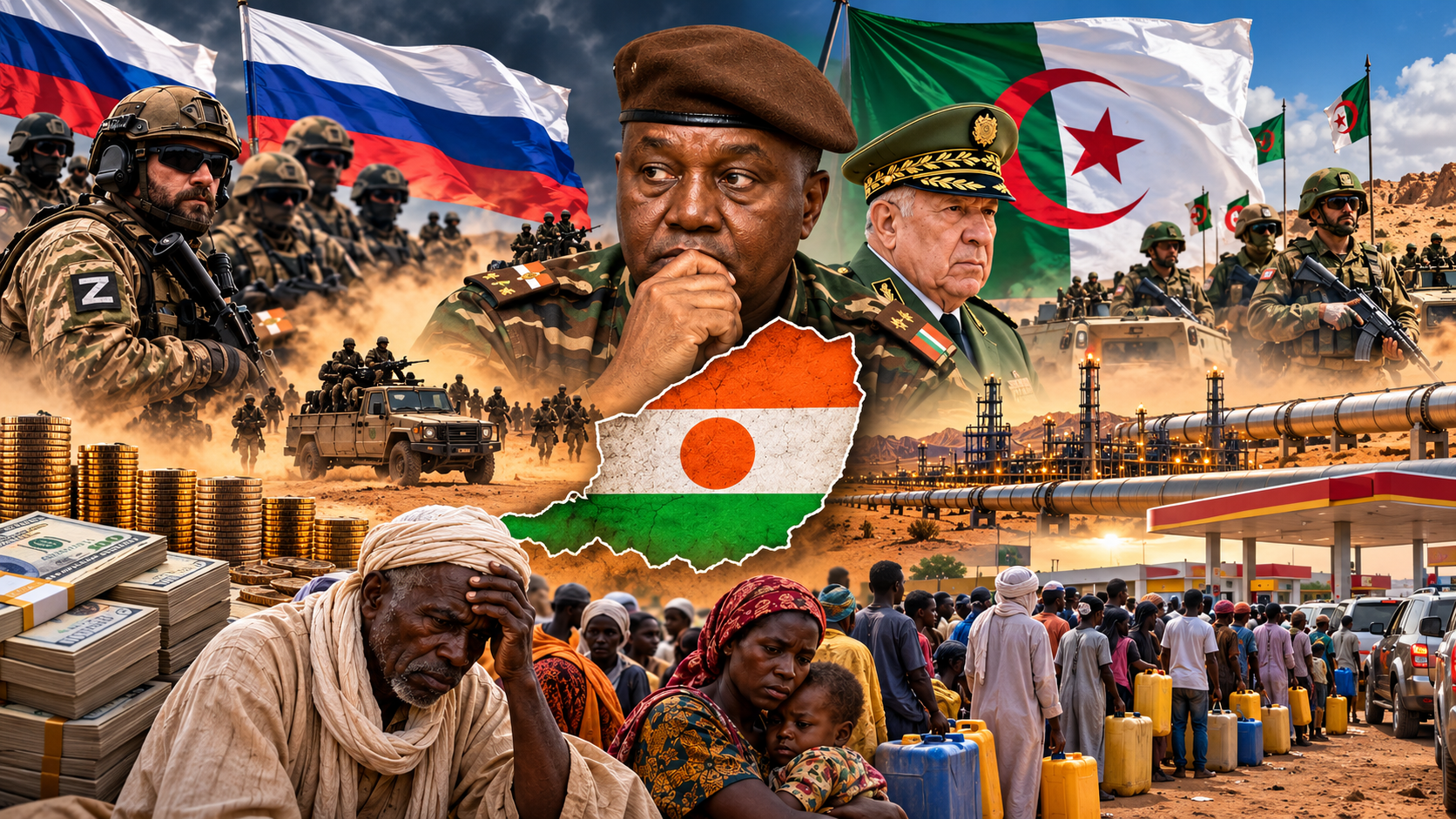
The alliance with Russia’s Africa Corps was sold as a lifeline to stabilize Niger’s embattled security landscape. Yet, despite substantial investment reportedly upwards of $10,000 per mercenary monthly the promised dividends remain elusive. Attacks continue unabated, civilian casualties rise, and key transit routes remain vulnerable to armed groups. With each new assault, public confidence in foreign mercenary support wanes, forcing Niamey to cast a wider net. Now, Algeria has been called upon to fill the breach but at what price?
What does Algiers bring to Niamey’s security table?
On October 25, 2026, Algeria’s National People’s Army received parliamentary clearance to intervene in Niger, marking a rare departure from Algeria’s traditionally cautious foreign military policy. While Algerian officials emphasize cross-border security cooperation and the fight against armed factions in the Sahel, the timing and depth of this commitment raise geopolitical eyebrows.
Behind the diplomatic rhetoric lies a strategic calculus centered on mutual interests. For Algiers, securing the stability of southern borders is vital. For Niamey, it’s a chance to restore order or so the narrative goes. But the absence of public agreements or transparent cost-sharing structures fuels skepticism. Will this be another transactional arrangement where Niger shoulders the burden, or a partnership built on shared risk and reward?
Energy leverage: the unspoken agenda in Niger-Algeria cooperation
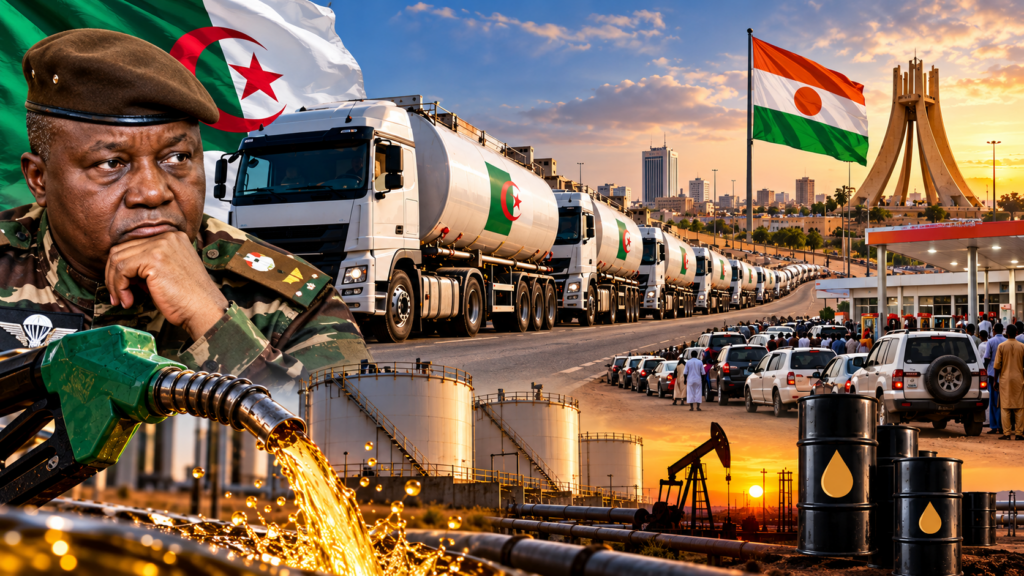
Deep beneath the sands of Niger lie vast hydrocarbon reserves, including oil fields in the Agadem Basin and a proposed trans-Saharan gas pipeline that would link Nigeria’s reserves to Europe via Algerian infrastructure. Securing these assets has become a silent driver behind Algiers’ willingness to intervene. While officially framed as a security mission, the practical overlap between safeguarding energy infrastructure and combating insurgents is undeniable.
This dual-purpose rationale is not without precedent but it is not without risk. When military cooperation is tied to critical economic corridors, the line between national defense and economic protection blurs. Will Algerian troops prioritize the safety of border villages or the integrity of a pipeline? More importantly, will Niamey’s government be held accountable for ensuring that stability, not just supply chains, is preserved?
Who pays? The financial shadow behind every deployed soldier
The cost of external security partnerships is rarely confined to training or equipment. Logistics, housing, medical support, and long-term sustainment inflate budgets rapidly. With Niger’s social services already underfunded and public debt rising, the financial footprint of Algeria’s intervention could soon dwarf earlier commitments to Russian forces.
Who will foot the bill? Will Algeria absorb the full operational cost as part of a bilateral aid package? Will Niamey divert funds from education, healthcare, or rural development to cover living allowances for foreign troops? Or will the burden fall on future oil revenues, once production ramps up? Without clarity on these terms, the public can only speculate and that speculation fuels distrust.
Transparency in the crosshairs: sovereignty as a political liability
Tiani’s regime has long positioned itself as a champion of national sovereignty, rejecting former alliances and asserting an independent path. Yet the successive turn to foreign military partners undermines that narrative. If sovereignty means the right to choose partners, it must also mean the obligation to justify those choices.
There can be no sovereignty without accountability. When military agreements are negotiated behind closed doors and their terms shielded from public debate, the very principle of self-determination is hollowed out. Citizens deserve to know: What strategic gaps prompted this appeal to Algeria? What long-term commitments has Niger made in return? And how will this cooperation shield villages, not just pipelines?
Measuring success: will Algerian boots change the security equation?
History offers cautionary tales of foreign military interventions that promised progress but delivered prolonged instability. The true test lies not in the number of troops deployed, but in measurable outcomes: fewer civilian casualties, safe roads for traders and families, restored state authority in contested zones, and above all sustainable improvements in daily security.
To date, no public framework has been established to evaluate Algeria’s mission against these benchmarks. Without independent oversight, public reporting, or verifiable milestones, the risk is high that this new alliance becomes just another line item in a widening cycle of dependency. For a nation grappling with economic stagnation and jihadist expansion, such ambiguity is dangerous.
What’s next: a spiral of dependence or a path to self-sufficiency?
The arrival of Algerian troops could signal a turning point or another chapter in a downward spiral. If the partnership delivers tangible security gains and transparent governance, it may rebuild public trust. If it repeats the failures of previous foreign engagements, it will deepen disillusionment and push Niamey further into the orbit of external patrons.
The ball is now in Tiani’s court. Will he treat Algeria’s support as a stopgap or a foundation? Will he subject this arrangement to public scrutiny and parliamentary oversight? And above all, will he prioritize the safety of Nigeriens over the imperatives of energy diplomacy?
The answers to these questions will define not only Niger’s security trajectory but also the credibility of its proclaimed sovereignty.
By Ousmane Tandja — Journalist